Finding a dependable supplier is an important step for nurseries, plant retailers, distributors, and commercial growers looking to source tissue culture plants internationally. The right supplier can help buyers maintain product quality, access suitable plant varieties, and organize shipments according to their business requirements. However, differences in production methods, quality standards, and export experience mean that suppliers should be evaluated carefully before placing an order.
When researching China Tissue Culture Plants, international buyers should look beyond product prices and advertised varieties. A reliable supplier should demonstrate practical knowledge of plant propagation, consistent quality control, clear communication, and the ability to manage international orders. Understanding these factors can reduce purchasing risks and support a more stable supply relationship.
1. Evaluate the Supplier’s Industry Experience
A supplier’s experience can provide useful insight into its understanding of tissue culture production and international plant trade. Businesses with established experience are more likely to understand the requirements involved in propagating, handling, packaging, and exporting live plant material.
Ask potential suppliers how long they have worked with tissue culture plants and which plant categories they specialize in. Experience with ornamental foliage plants may differ from expertise in agricultural crops or flowering varieties.
It is also useful to ask whether the supplier regularly serves international customers. Export experience can help ensure that communication, documentation, and shipping arrangements are handled more efficiently.
2. Check the Range of Available Plant Varieties
A suitable supplier should offer varieties that match your target market and production needs. The available selection may include tropical foliage plants, flowering ornamentals, succulents, and selected agricultural species.
Common tissue culture categories include:
- Monstera and Philodendron: Popular choices for indoor plant retailers and collectors.
- Aglaonema and Syngonium: Decorative foliage plants with different colors and leaf patterns.
- Anthurium: Flowering and foliage varieties used in specialty plant markets.
- Orchids: Selected varieties for ornamental production.
- Calathea and ferns: Options for decorative indoor collections.
- Banana and pineapple: Agricultural plants propagated for commercial cultivation.
Check whether the supplier can provide accurate variety names, photographs, growth-stage information, and availability details. A broad catalog is useful, but accurate product identification is even more important.
3. Examine Plant Quality and Health Standards
Plant quality should be one of the main considerations when selecting a tissue culture supplier. Healthy plantlets are more likely to establish successfully when transferred into suitable growing conditions.
Before ordering, request information about the supplier’s inspection procedures. Ask how plants are checked for contamination, abnormal growth, physical damage, and other quality issues.
Depending on the plant species and production stage, buyers should look for:
- Healthy leaves with expected color and development.
- Strong roots or well-developed shoots when applicable.
- No visible mold, unusual discoloration, or tissue deterioration.
- Consistent growth within the supplied batch.
- Correct labeling and variety identification.
Photographs and videos can help with initial evaluation, but they should not replace clear quality specifications or an agreed inspection process.
4. Understand the Supplier’s Tissue Culture Production Process
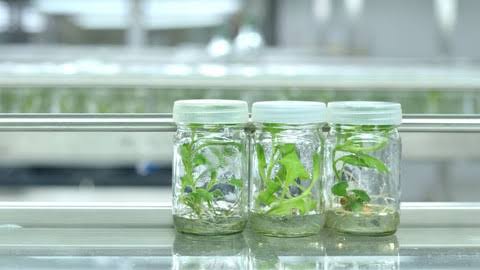
Tissue culture propagation involves several stages, including the selection of plant material, culture initiation, multiplication, rooting, and plantlet development. Each stage requires suitable conditions and careful handling.
A reliable supplier should be able to explain its general production process and identify the stage at which plants are supplied.
Ask questions such as:
- How are parent plants selected?
- What procedures are used to maintain sterile conditions?
- How is contamination monitored?
- How are plantlets assessed before dispatch?
- Are plants supplied in culture vessels, rooted plugs, or another form?
Understanding these details helps buyers determine whether the supplier’s production practices match their expectations.
5. Review Quality Control and Consistency
Quality control is especially important when purchasing large quantities. A supplier may provide a satisfactory sample, but the quality of subsequent batches should also meet the agreed specifications.
Ask whether the supplier follows documented inspection procedures and maintains records for different production batches. Confirm how it handles plants that do not meet the required standards.
For repeat purchases, buyers should agree on clear acceptance criteria covering plant size, growth stage, variety identity, packaging, and visible condition. Written specifications make it easier to compare deliveries and address quality differences.
6. Compare Pricing and Minimum Order Quantities
Price is an important part of supplier selection, but the cheapest quotation is not necessarily the best option. Tissue culture plant prices can vary according to species, cultivar, growth stage, production difficulty, order quantity, and packaging requirements.
Before comparing offers, confirm that each supplier is quoting for the same product specifications.
Consider these cost factors:
- Unit price and minimum order quantity.
- Packaging and preparation charges.
- Transportation and shipping costs.
- Export documentation fees.
- Customs duties and other destination charges.
- Potential acclimatization and growing expenses.
Request a detailed quotation that separates product costs from additional charges. This makes it easier to estimate the total landed cost and assess the actual value of each offer.
7. Confirm International Export Experience
Exporting live plants requires careful coordination. Suppliers should understand the documentation, packaging, and shipping procedures relevant to their destination markets.
Ask whether the supplier has experience shipping to your country or region. Previous experience with similar destinations can be useful because import requirements and transportation arrangements may differ.
Confirm whether the supplier can assist with the required export documents, including phytosanitary certificates where applicable. Buyers should independently check the import rules of their destination country before confirming an order.
Some plant species may require additional permits, inspections, or special treatment. These requirements should be addressed before production and shipment are finalized.
8. Assess Packaging and Transportation Methods
Tissue culture plants are sensitive to handling conditions, particularly during long-distance transportation. Inappropriate packaging, excessive temperature changes, or shipping delays can affect their condition.
Ask suppliers how they prepare plants for dispatch and what packaging options they use for different growth stages.
Important points to discuss include:
- Protection against physical damage.
- Suitable containers and packing materials.
- Moisture management during transportation.
- Temperature considerations for sensitive varieties.
- Shipment tracking and estimated delivery time.
- Procedures for reporting damaged or delayed shipments.
The best shipping method depends on the plant species, shipment form, destination, and applicable transport regulations.
9. Evaluate Communication and Customer Support
Clear communication is essential when coordinating international plant orders. A supplier should respond to questions about product specifications, availability, payment, production schedules, and shipping arrangements.
During initial discussions, pay attention to how accurately the supplier answers technical questions. Vague descriptions, inconsistent information, or repeated delays in communication may indicate potential problems.
A dependable business relationship should include:
- Clear product descriptions and quotations.
- Realistic production timelines.
- Regular order updates.
- Written confirmation of specifications.
- Practical support when shipment issues arise.
Good communication is particularly valuable when buyers are managing repeat orders or sourcing multiple varieties.
10. Request Samples or Begin with a Trial Order
A trial order can help buyers evaluate a supplier before making a larger financial commitment. It provides an opportunity to assess the condition of delivered plants, packaging quality, documentation, and communication throughout the process.
When reviewing a sample shipment, check whether the plants match the agreed variety and growth stage. Also observe how well they respond to the acclimatization process under suitable growing conditions.
Keep records of delivery dates, plant condition, losses, and early growth performance. These observations can help determine whether the supplier is suitable for larger or recurring orders.
11. Check the Supplier’s Ability to Handle Large Orders
Commercial nurseries and distributors may require substantial quantities or multiple varieties in a single shipment. In such cases, suppliers should be able to explain their production capacity and order scheduling arrangements.
Ask about current availability, expected lead times, batch planning, and the possibility of repeat supply. If your business has seasonal demand, discuss production schedules well in advance.
Do not assume that a supplier’s advertised catalog represents immediate stock. Some varieties may require additional propagation time, while others may be available only in limited quantities.
12. Understand Payment Terms and Order Agreements
Payment arrangements should be clear before an order is confirmed. Buyers should review the supplier’s payment schedule, accepted methods, cancellation conditions, and responsibilities if products do not match the agreed specifications.
A written order agreement should ideally include:
- Scientific names and cultivar details.
- Quantity and unit price.
- Plant growth stage and quality requirements.
- Packaging and shipping arrangements.
- Estimated production and delivery dates.
- Required export documentation.
- Procedures for handling damaged or nonconforming products.
Clear terms reduce misunderstandings and provide a reference if questions arise during the transaction.
13. Consider Long-Term Supply Reliability
A supplier that meets the requirements of one order may not automatically be the best choice for long-term sourcing. Businesses should assess whether the supplier can maintain consistent communication, product specifications, and delivery arrangements over time.
For repeat purchases, review previous shipment performance and compare it with the original agreement. Consider whether the supplier can support changes in quantity, introduce new varieties, or accommodate future purchasing plans.
Building a long-term relationship with a capable supplier can make inventory planning more predictable and reduce the time spent searching for alternative sources.
Buyers exploring potential sourcing partners can also review the plant categories and business information provided by Young Plants while comparing suppliers. Directly confirming current availability, product specifications, and export arrangements remains essential before placing an order.
Conclusion
Choosing a reliable China tissue culture plants supplier requires more than comparing product catalogs and prices. Buyers should evaluate production experience, plant health, quality control, variety selection, export capabilities, packaging, and communication before making a purchasing decision.
Requesting clear specifications and starting with a trial order can help reduce uncertainty. By checking import requirements, agreeing on written quality standards, and reviewing shipment performance, international buyers can establish more dependable sourcing relationships and support the long-term growth of their plant businesses.